cybloom
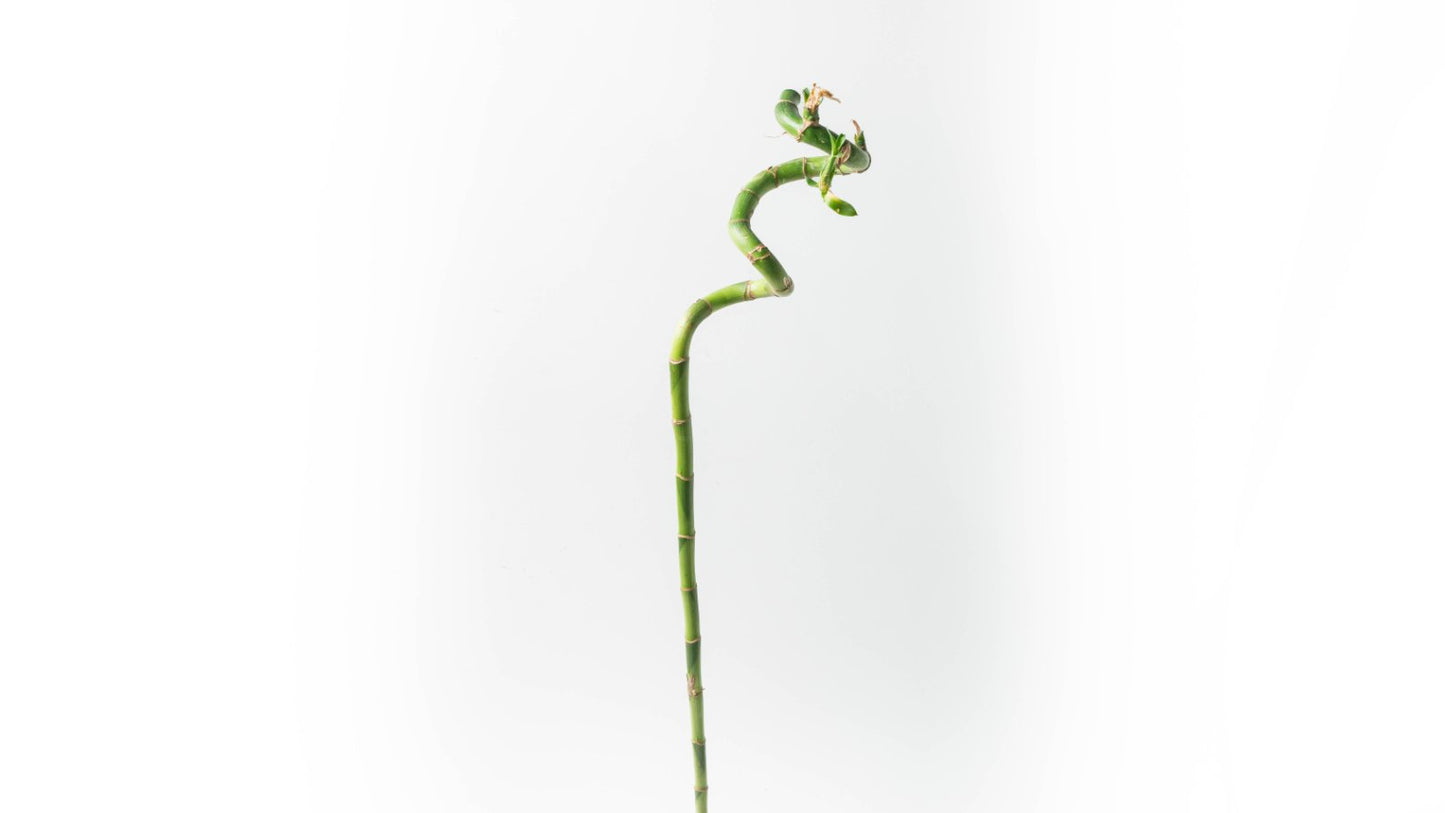
Bamboo
Couldn't load pickup availability
Family: Poaceae
Origin: Asia, Africa, Australia and the Americas
The Size: Depending on the species, bamboo can range from 2 ft. to over 50 ft. tall. When grown in containers, its size is usually more compact.
Temperature & Humidity: Bamboo prefers warm, humid conditions, although its cold tolerance varies depending on the species. Most varieties grow well in temperatures between 65–85 degrees F. Extreme cold can damage the foliage and roots, while very high temperatures combined with dry conditions can cause stress. Indoor bamboo benefits from moderate to high humidity.
Lighting: Bamboo generally requires plenty of light. Outdoors, it can grow in full sun to partial shade, depending on the variety. Indoors, place it near a bright window where it receives several hours of indirect or filtered sunlight. Avoid intense afternoon sun through glass, as it may scorch the leaves.
The Soil: Bamboo grows best in fertile, well-draining soil that retains some moisture without becoming waterlogged. A mixture containing loam, compost and materials that improve drainage is ideal. Good drainage is especially important when bamboo is grown in containers.
Watering: Bamboo prefers consistently moist soil, particularly during its growing season. Water deeply when the upper layer of soil begins to dry, but avoid allowing the roots to remain in standing water. Newly planted bamboo requires more frequent watering until established. Container-grown bamboo may need watering more often, especially during hot weather.
Fertilizer: Bamboo is a relatively fast-growing plant and benefits from regular fertilization during the growing season. A balanced fertilizer or one with a slightly higher nitrogen content can encourage healthy green foliage and strong growth. Fertilizing should be reduced or stopped during the colder months.
Reproduction: Bamboo is most commonly propagated by division or by using rhizome cuttings. Propagation by division is generally the easiest method for producing new plants that retain the characteristics of the parent plant. Some bamboo species can also be grown from seed, although flowering and seed production are uncommon.
Transfer: When grown in containers, bamboo should be repotted when the roots become crowded or begin to circle the inside of the pot. Choose a container with large drainage holes and use a fresh, well-draining potting mix. Bamboo can become root-bound relatively quickly, so moving it to a slightly larger container every two to three years can help maintain healthy growth.
Features of Care: One of the great things about bamboo is its fast growth and attractive evergreen foliage. Once established, it can be relatively easy to maintain. Regular watering, occasional fertilization and removal of damaged or unwanted canes are usually sufficient to keep the plant healthy and attractive. Some varieties are clumping, while others spread through underground rhizomes and may require additional control.
Difficulties: One of the most common problems with bamboo is yellowing or browning leaves, which can be caused by insufficient water, excessive direct sunlight, poor drainage or extreme temperatures. Spreading varieties can also become difficult to control if planted directly in the ground. Container cultivation or the use of appropriate root barriers can help prevent unwanted spreading.