cybloom
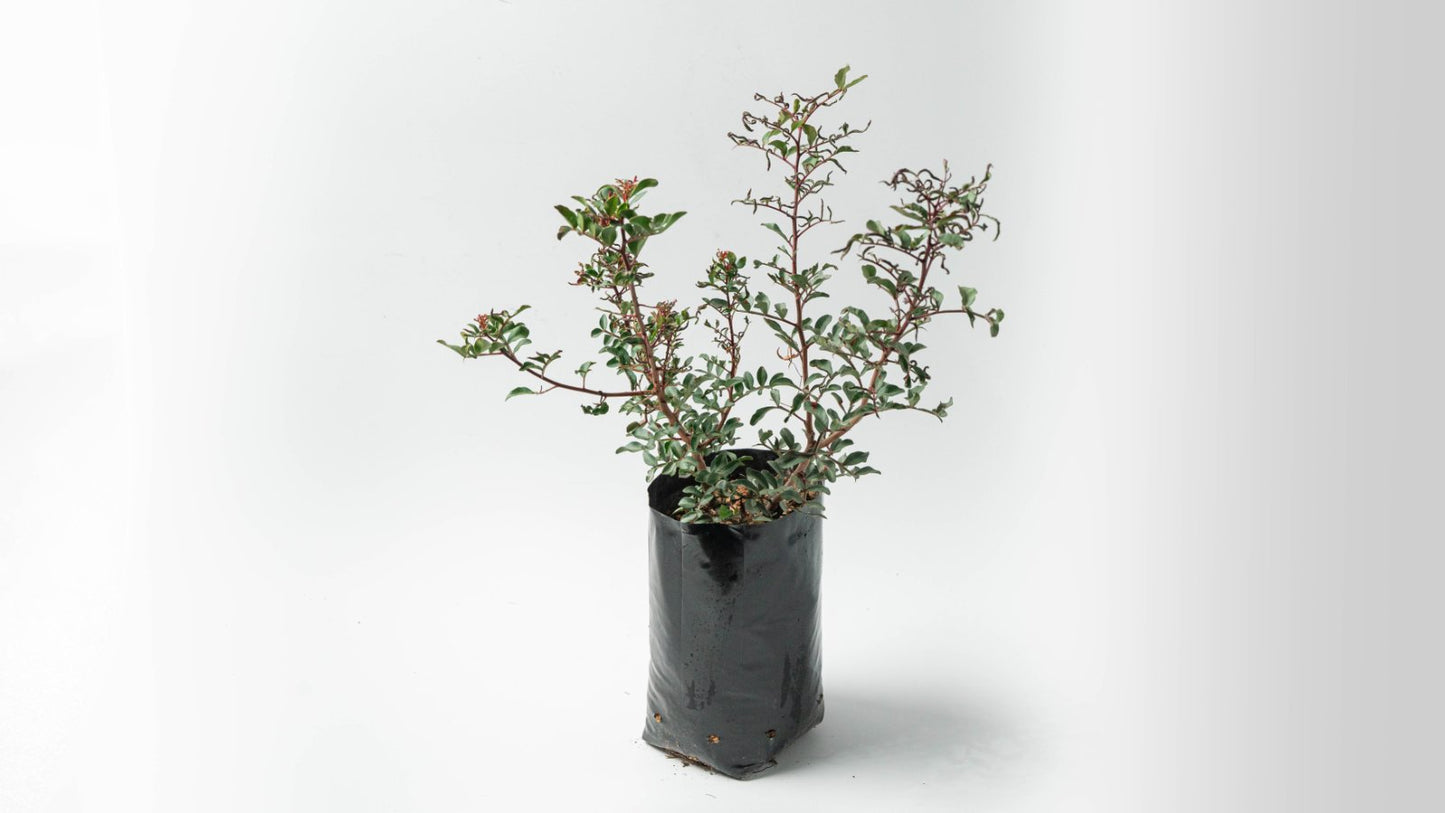
Pistacia lentiscus
Couldn't load pickup availability
Family: Anacardiaceae
Origin: Mediterranean region and parts of the Middle East
The Size: Pistacia lentiscus is an evergreen shrub that typically grows 6–15 ft. tall and wide, although its size can be controlled through regular pruning. It develops a dense, rounded form and can become a small tree when allowed to grow naturally.
Temperature & Humidity: Pistacia lentiscus is very well adapted to Mediterranean climates. It tolerates high temperatures, dry conditions and coastal environments once established. It is also moderately tolerant of cold but should be protected from prolonged severe frost. It does not require high humidity.
Lighting: The mastic tree grows best in full sun. Several hours of direct sunlight each day encourage dense growth and healthy foliage. It can tolerate partial shade, although growth may become less compact.
The Soil: Pistacia lentiscus is adaptable to a variety of soil types but performs best in well-draining, relatively poor to moderately fertile soil. It can tolerate sandy, rocky and calcareous soils and is well suited to dry Mediterranean landscapes. Good drainage is essential.
Watering: Water regularly during the first growing season to help the plant establish a strong root system. Once established, Pistacia lentiscus is highly drought tolerant and requires little supplemental watering. During prolonged periods of extreme heat and drought, occasional deep watering can be beneficial.
Fertilizer: Fertilization is generally not necessary once the plant is established, particularly when grown in suitable Mediterranean soil. If grown in containers or very poor soil, a balanced slow-release fertilizer can be applied in spring. Avoid excessive fertilization.
Reproduction: Pistacia lentiscus can be propagated from seeds or semi-hardwood cuttings. Seed propagation is possible but can be slow and may produce plants with different characteristics. Cuttings are commonly used when maintaining the characteristics of a selected parent plant is important.
Transfer: When grown in containers, repot Pistacia lentiscus when the roots become crowded, generally every two to three years. Use a container with large drainage holes and a well-draining growing medium. Avoid excessively large containers that may retain unnecessary moisture.
Features of Care: One of the great things about Pistacia lentiscus is its excellent adaptability to hot, dry Mediterranean conditions. Its small, glossy evergreen leaves create dense, attractive foliage throughout the year. It is particularly suitable for gardens, hedges, borders, containers and coastal landscapes, and can be shaped through pruning.
Difficulties: Pistacia lentiscus is generally a hardy and low-maintenance plant. The most common problems are related to excessive watering and poor drainage, which can lead to root damage. Pests such as scale insects or aphids may occasionally appear, particularly on stressed plants.